
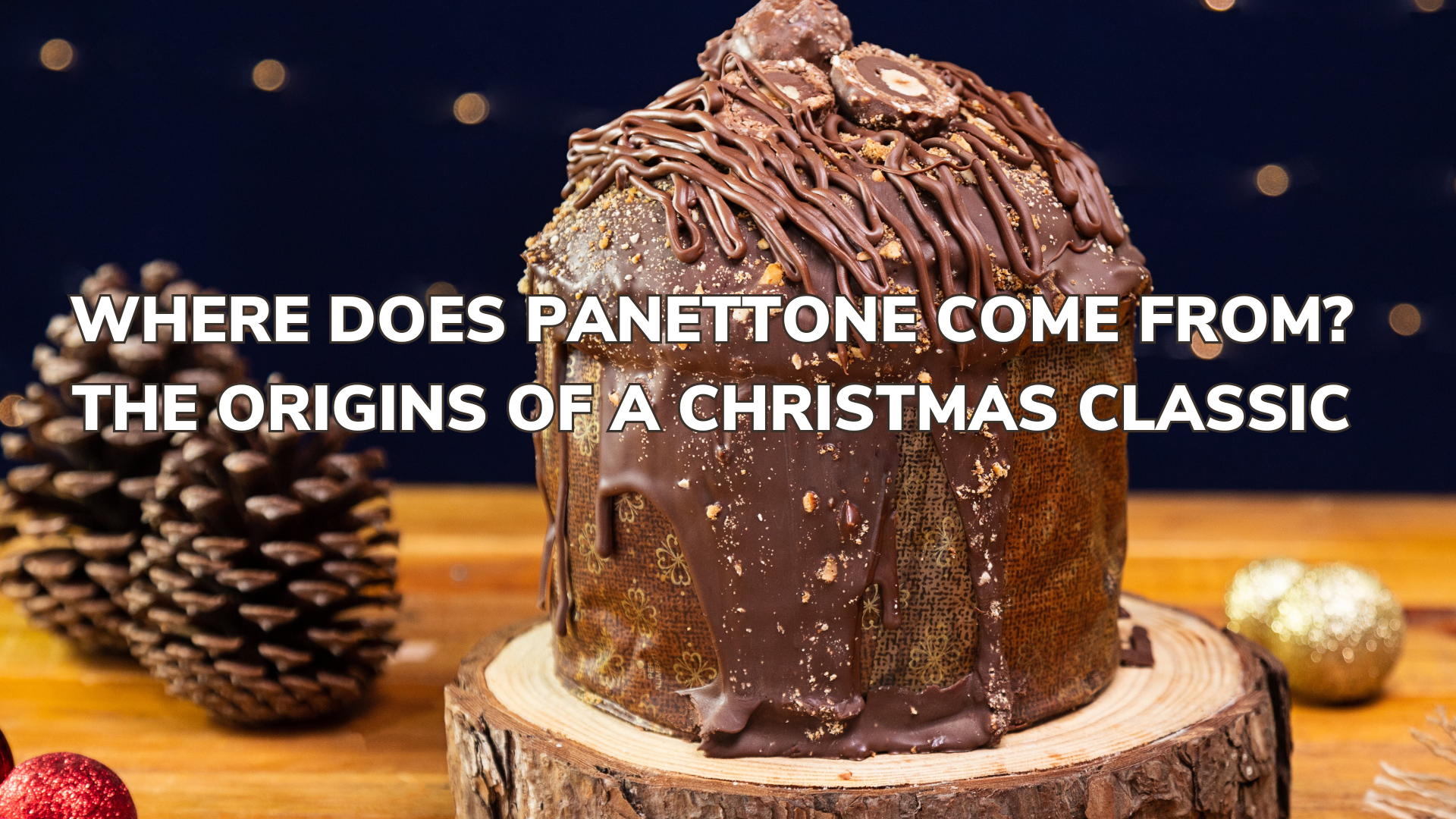
 When Christmas arrives, certain treats take centre stage on our tables. Turrón, polvorones and panettone are all part of the traditions we associate with the festive season. But have you ever wondered where panettone comes from and how it became one of Christmas’s most beloved classics?
Panettone originated in Milan, Italy, where the tradition of making special breads for Christmas celebrations began centuries ago. Over time, these early recipes evolved into the soft, aromatic and flavourful sweet bread we know today.
1. The origins of panettone: a sweet treat born in Milan
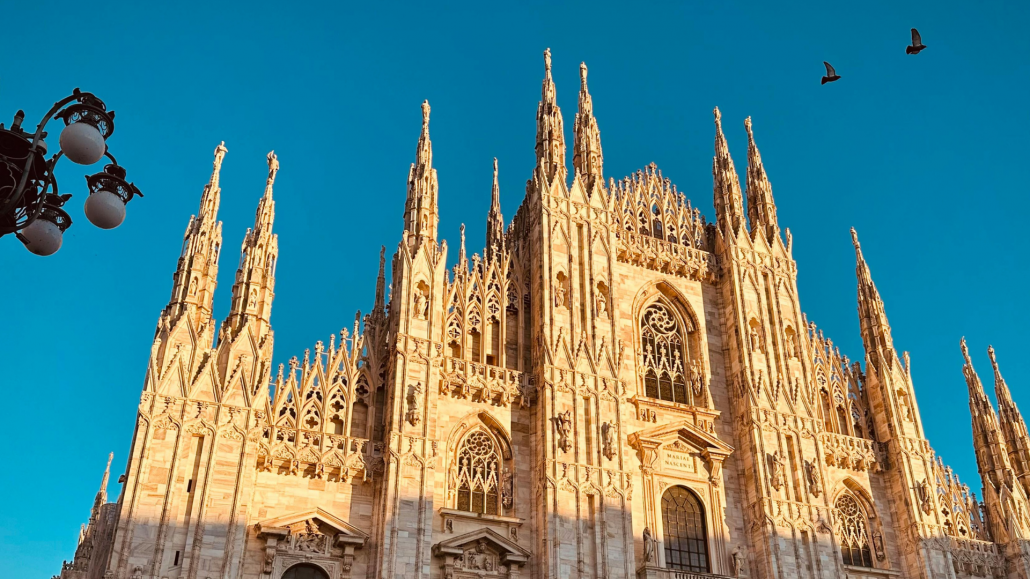
To discover the history of panettone, we need to travel to Milan, in northern Italy. Its origins date back to the Middle Ages, when it was customary to prepare special breads for Christmas celebrations.
At that time, wheat was a valuable ingredient and was not accessible to everyone. However, during Christmas, it was used to make breads that families could share together.
An old Milanese tradition involved placing large wheat loaves on the table and sharing them among the guests. This gesture symbolised family unity and the celebration of the festive season.
In fact, a reference to a large Christmas bread already appeared in a Milanese dialect dictionary in the early 17th century. This historical detail helps us understand how a simple festive bake eventually became one of Italy’s most iconic sweet treats.
2. From a Christmas bread to the panettone we know today
Panettone did not always have the tall, fluffy shape we recognise today. Its earliest versions were more like sweet breads or focaccias, with a different texture and appearance.
During the 19th century, the recipe gradually evolved and began to include ingredients such as butter, eggs, sugar and raisins. Candied fruit was also added, bringing its distinctive aroma and flavour.
One important record of this evolution dates back to 1853, when Milanese cook Giovanni Felice Luraschi included a panettone recipe in his book Nuovo cuoco milanese economico.
Little by little, the dough became lighter and the shape taller, eventually resembling the sweet treat we now find on Christmas tables.
3. The legend of Toni: fact or fiction?
One of the most popular stories about the origins of panettone features a young man named Toni, who was supposedly a kitchen assistant at the court of Ludovico Sforza, the ruler of Milan in the late 15th century.
According to the legend, the dessert prepared for a Christmas celebration was accidentally burnt. To solve the problem, Toni supposedly improvised a new creation using flour, butter, eggs, sugar, raisins and candied fruit.
The result was said to have been so well received by the guests that the sweet bread was named «pan de Toni», which eventually evolved into «panettone».
However, there is no historical evidence to confirm this story. It is a widely told legend that forms part of Italian popular tradition.
What we do know is that panettone’s history is deeply connected to Milan and the custom of preparing special breads for the Christmas season.
4. Panettone, a Christmas classic
Over the years, panettone went from being a Milanese speciality to becoming one of the great symbols of Italian Christmas. Its popularity spread beyond Italy, and today it is enjoyed in many countries around the world.
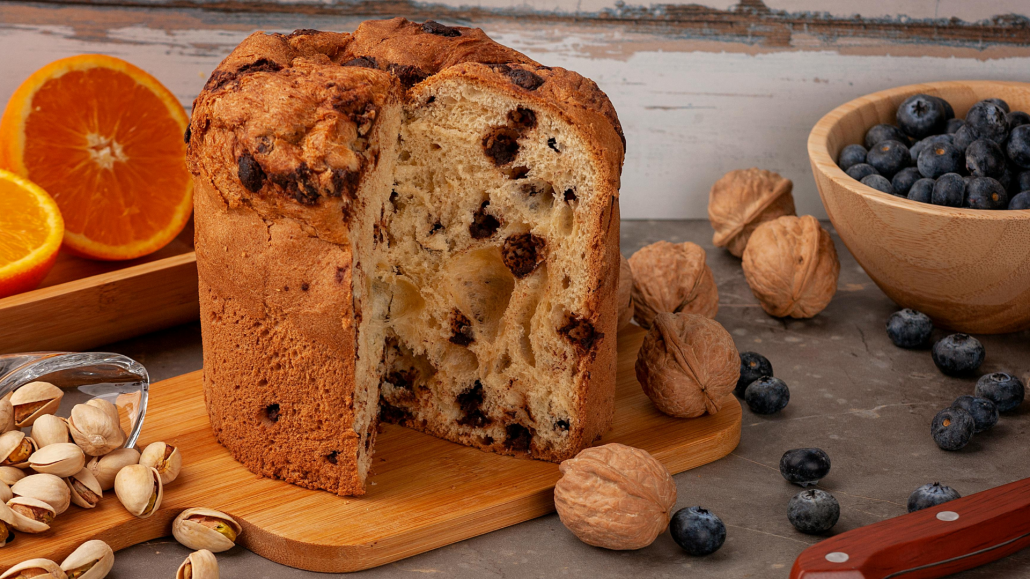
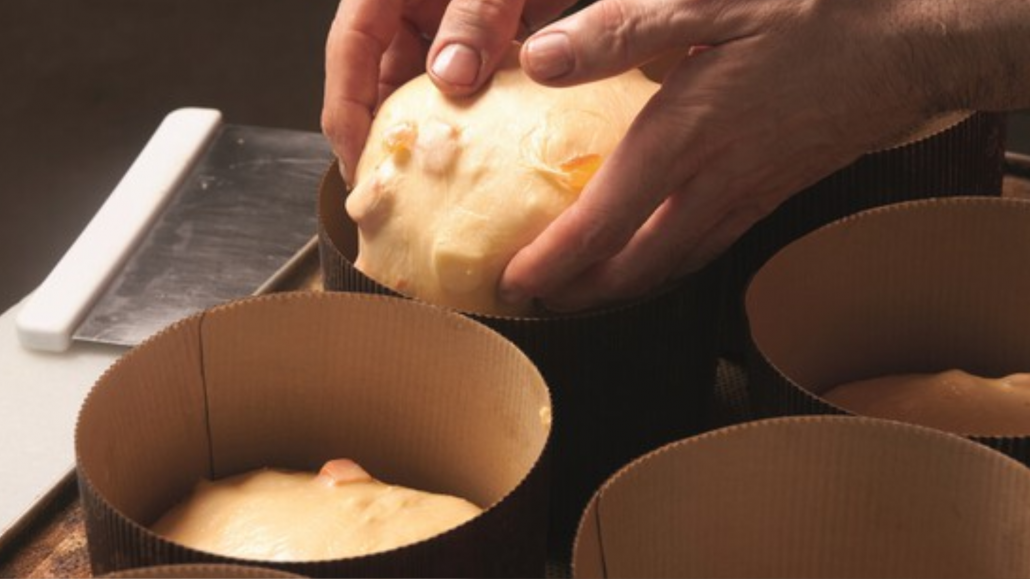
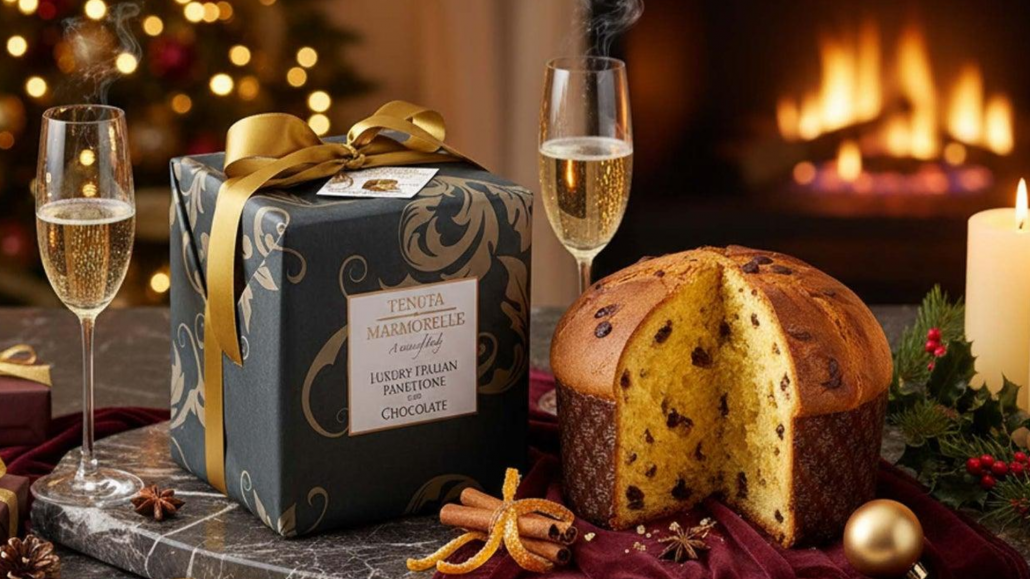
The traditional recipe combines fermented dough, butter, eggs, sugar, raisins and candied fruit, especially orange and citron. Its fluffy texture and distinctive aroma make it instantly recognisable.
Its evolution has also given rise to numerous varieties. Today, we can find panettone with chocolate, pistachio, cream, nuts and other combinations that put a new twist on the original recipe.
Despite these new versions, traditional panettone continues to hold a special place in festive celebrations. It is often shared after a meal, enjoyed with coffee or served as a dessert during family gatherings.
An Italian tradition that continues to win over Christmas
From its earliest origins in Milan to the varieties we find today, panettone has come a long way. What began as a special bread to share during the festive season has become a sweet treat recognised around the world.
Its history reminds us that many of the culinary traditions we enjoy at Christmas have an origin and an evolution worth discovering.
Food is also something to enjoy at Font Del Llop Terraza
At Font Del Llop Terraza, we believe that food is also a way to enjoy and share special moments. Our offering combines Mediterranean cuisine, locally sourced produce and a unique setting overlooking the golf course and lake.
We invite you to discover our culinary offering and enjoy special moments around the table, in a setting designed for sharing and savouring every occasion.
“`
