
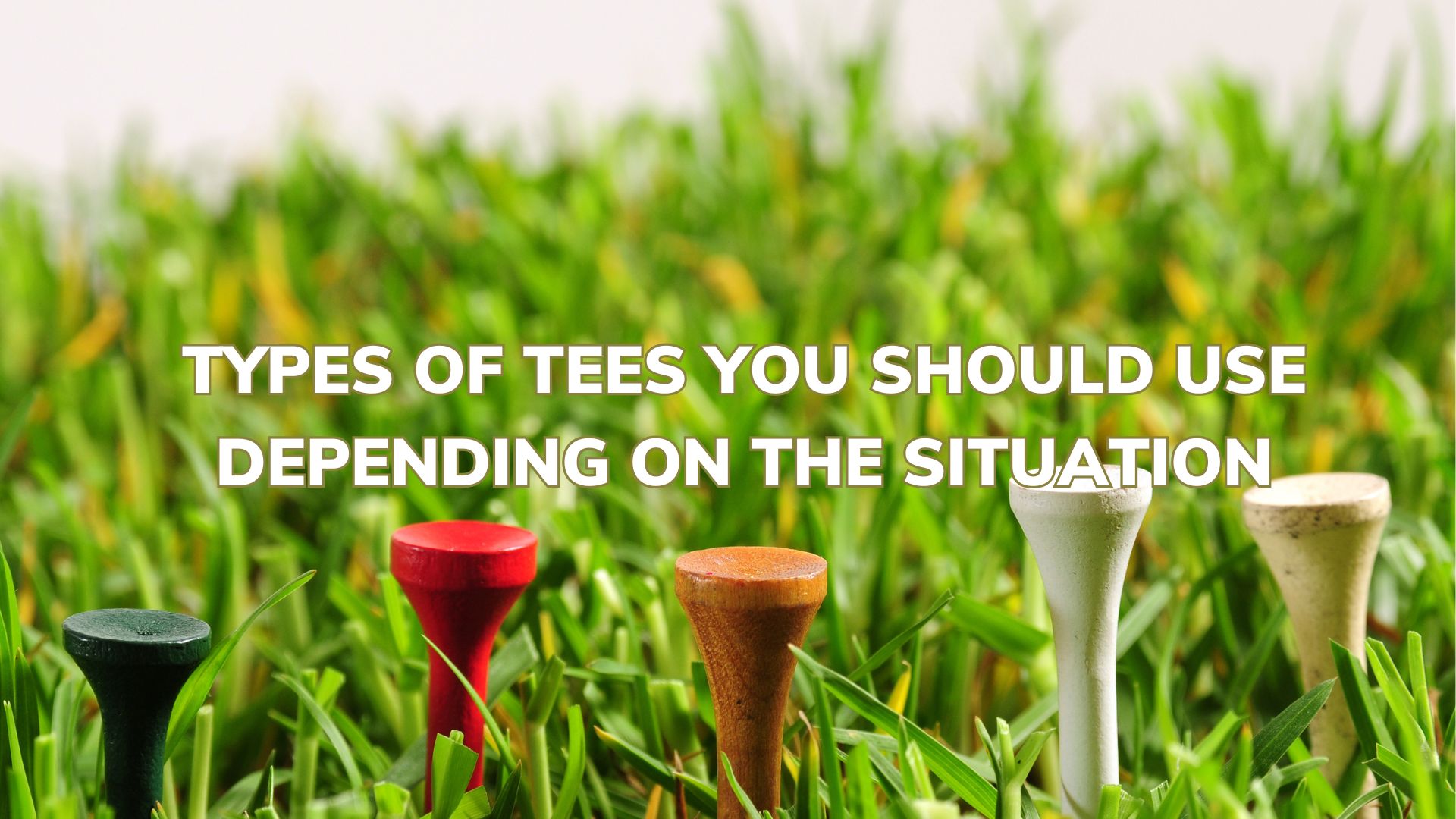
In golf, every little detail influences performance, and one of the most underrated is the tee. Choosing the right tee for the club, type of shot, or even course conditions can make a big difference in the consistency and accuracy of your tee shots. Although many players always use the same tee out of habit, the reality is that there are different types of tees you should use depending on the situation that will help you optimise your strategy from the very first shot.
LONG TEE FOR DRIVER
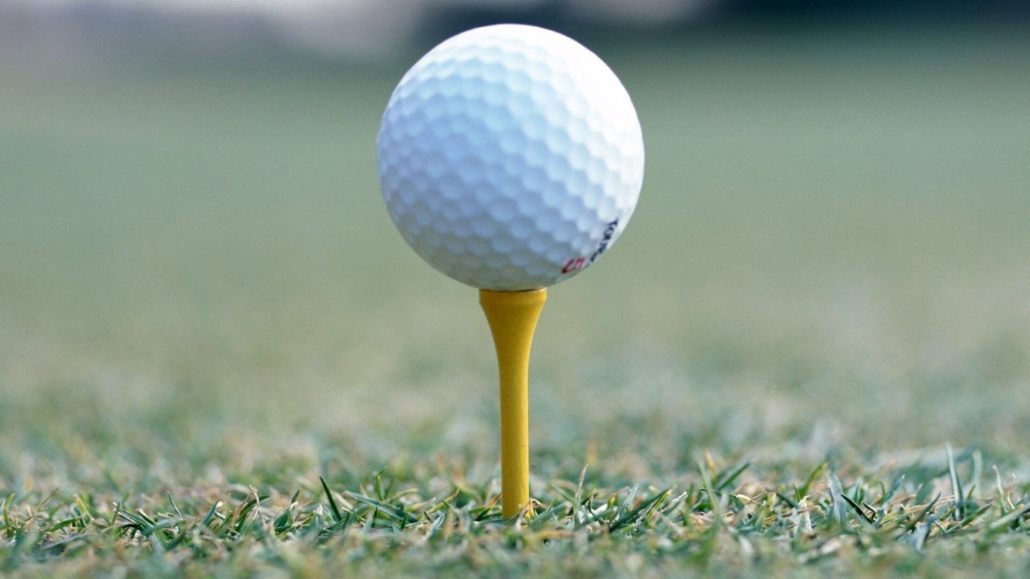
The long tee is primarily designed for use with the driver. Its greater height allows the ball to be raised sufficiently to facilitate an upward angle of attack, which is key to maximising distance and reducing spin. By placing the ball higher, the club strikes the top of the driver, promoting longer, more penetrating shots. It is ideal on long holes or par 4s and par 5s where the main objective is to gain metres from the tee. Using a long tee correctly can help you realise the full potential of your driver.
MEDIUM IRON FOR WOODS AND HYBRIDS
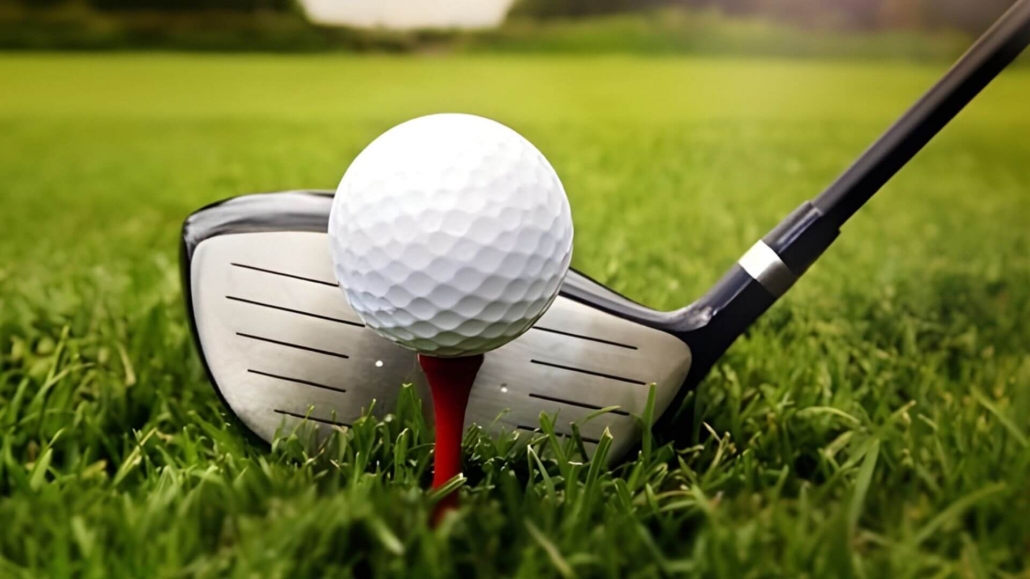
Mid-height tees are very versatile and are typically used with fairway woods or hybrids from the tee. Offering moderate elevation, they allow for cleaner contact without raising the ball too high, which helps maintain a more controlled flight. They are especially useful on narrow holes where accuracy is more important than distance. They are also a good option when the wind is blowing strongly and you are looking for a lower, more controlled shot.
SHORT TEE FOR IRONS
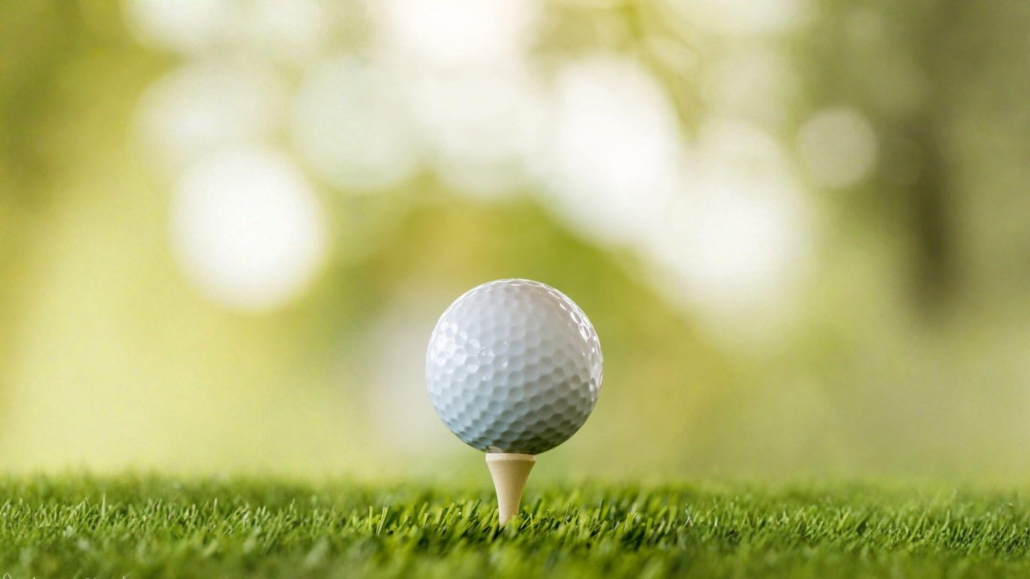
When playing from the tee with irons, it is best to use a short tee or even just raise the ball slightly above the grass. This type of tee allows you to replicate a shot similar to that on the fairway, promoting solid and accurate contact. It is ideal on par 3 holes or strategic tee shots where the aim is to place the ball in a specific area of the course. The lower height helps you to better control the trajectory and distance.
LOW FRICTION TEES
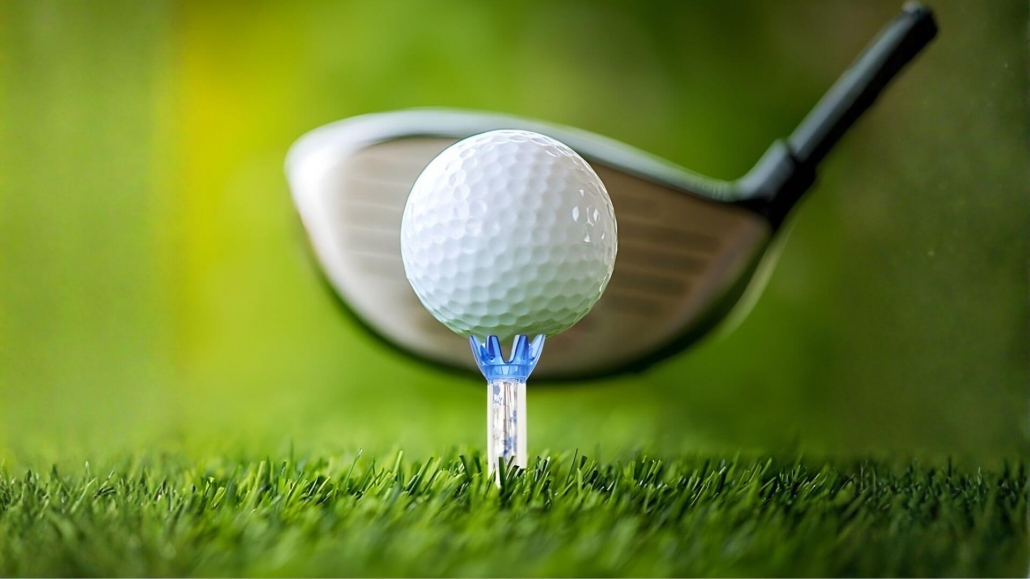
Tees designed to reduce friction with the ball often incorporate special materials or structures that minimise contact during impact. This allows the ball to leave the tee with less resistance and greater initial speed. Many players use them with their driver to try to gain a few extra metres. Although the difference may be subtle, in a sport where every detail counts, these tees can provide a small benefit in distance. Low-friction tees can be crown-shaped or spiked, where the ball rests on only small supports to reduce contact. There are also brush tees, which use small bristles, and tees with a string system, which are very common in practice areas to prevent the tee from flying away after the shot.
ECO-FRIENDLY OR BIODEGRADABLE T-SHIRTS
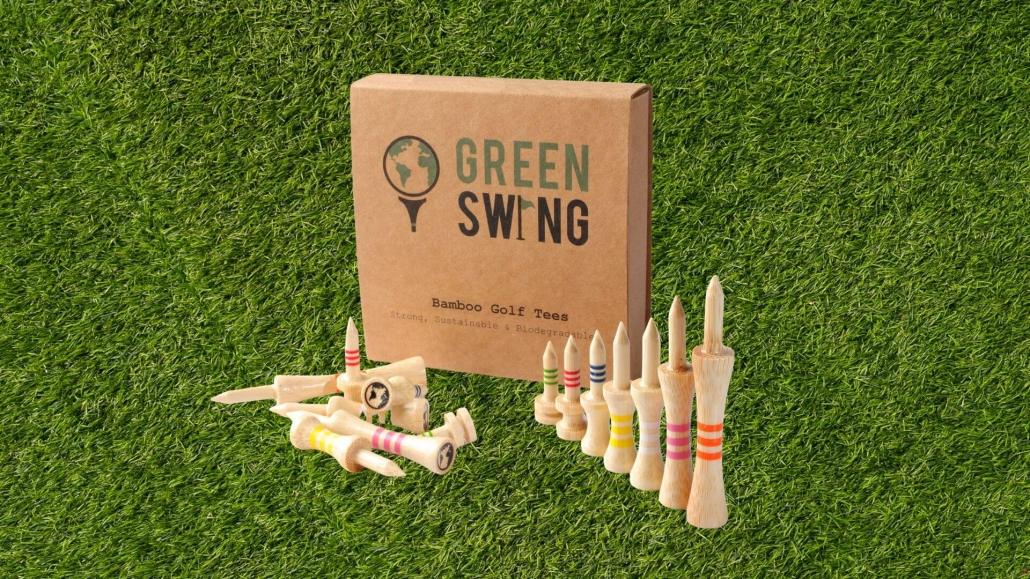
More and more courses and players are opting for tees made from biodegradable materials such as natural wood, bamboo or organic composites. These tees offer the same performance as traditional ones, but with a lower environmental impact. In addition, they are usually sturdy and easy to stick into the ground. Using them is a simple way to care for the course environment and help keep the facilities in perfect condition. Choosing the right tee for the club and playing situation can help you improve your tee shots and gain consistency in your game. Trying different types and heights is an excellent way to find out what works best for your playing style.
Now that you know all the types of tees you should use depending on the situation. If you want to put these tips into practice, we invite you to come to our course Font Del Llop, try out different tees and challenge yourself with every tee shot. Whether you want to practise, compete with friends or simply enjoy golf, you will always find the perfect setting to continue improving your game.