
“`html
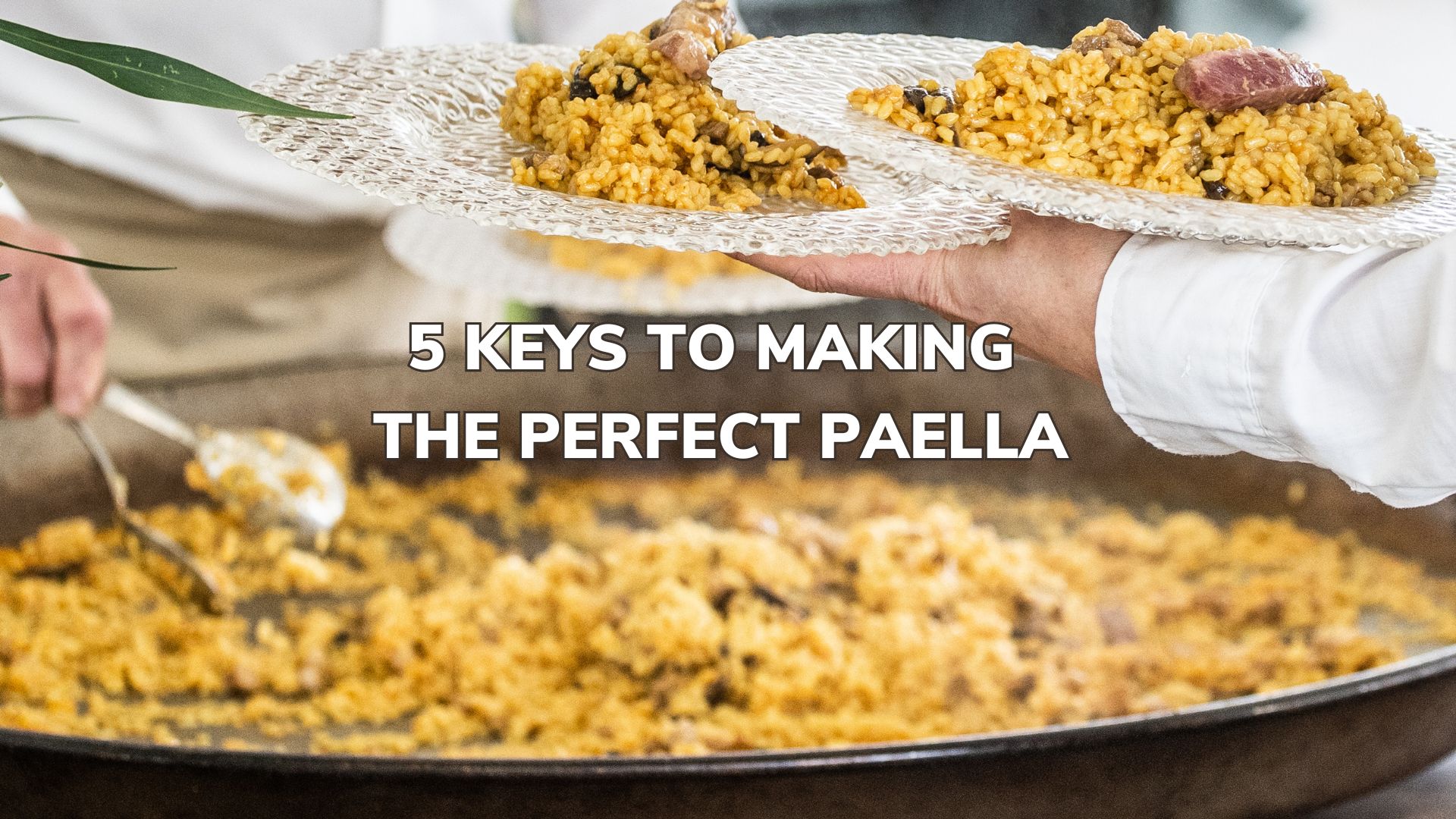
Few dishes bring as many people together around a table as a good paella. It is one of the great highlights of Mediterranean cuisine and, although its ingredients may seem simple, achieving flavourful rice with the perfect texture and consistency requires knowing a few tricks.
The good news is that you don’t need to be a professional chef to prepare a delicious paella. Choosing the right ingredients, taking your time with the sofrito and controlling the cooking process are some of the secrets to achieving spectacular results.
If you want to surprise your guests at your next family meal or get-together with friends, discover these 5 keys to making the perfect paella.
1. Choose high-quality rice
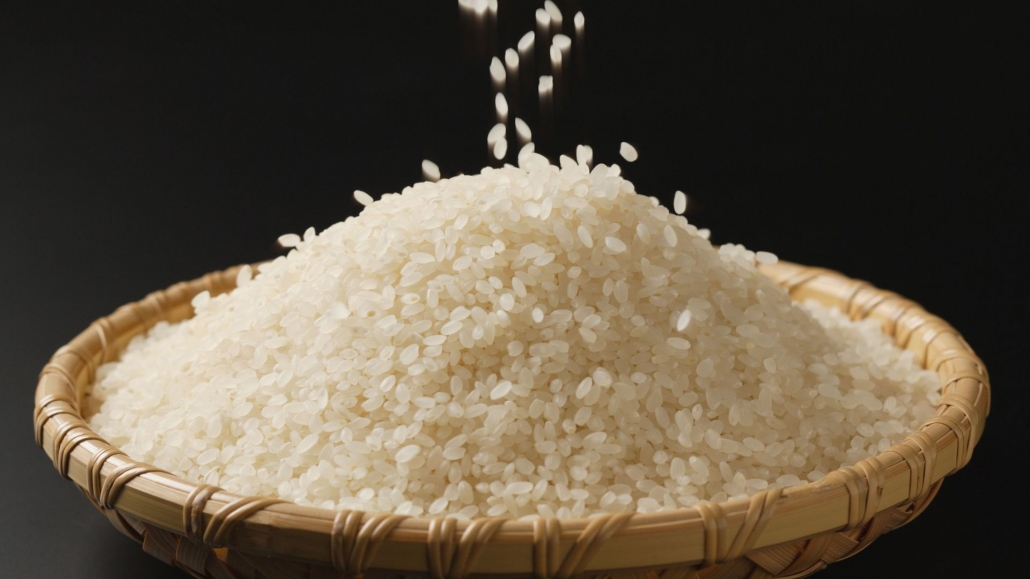
Rice is the star ingredient of any paella, and your choice directly influences the final result. That’s why it’s best to opt for short-grain varieties.
Bomba rice stands out for its ability to absorb the flavour of the stock while maintaining a good structure during cooking. Sénia rice, on the other hand, offers a juicier texture and also absorbs flavours very well.
As well as choosing a good variety, it’s important to spread the rice evenly across the entire paella pan. This will help ensure more even cooking and prevent some areas from remaining hard while others become overcooked.
The tip: use high-quality rice and follow the quantities specified in the recipe. The stock-to-rice ratio will depend on the variety, the pan and the heat intensity.
2. Take your time preparing a good sofrito
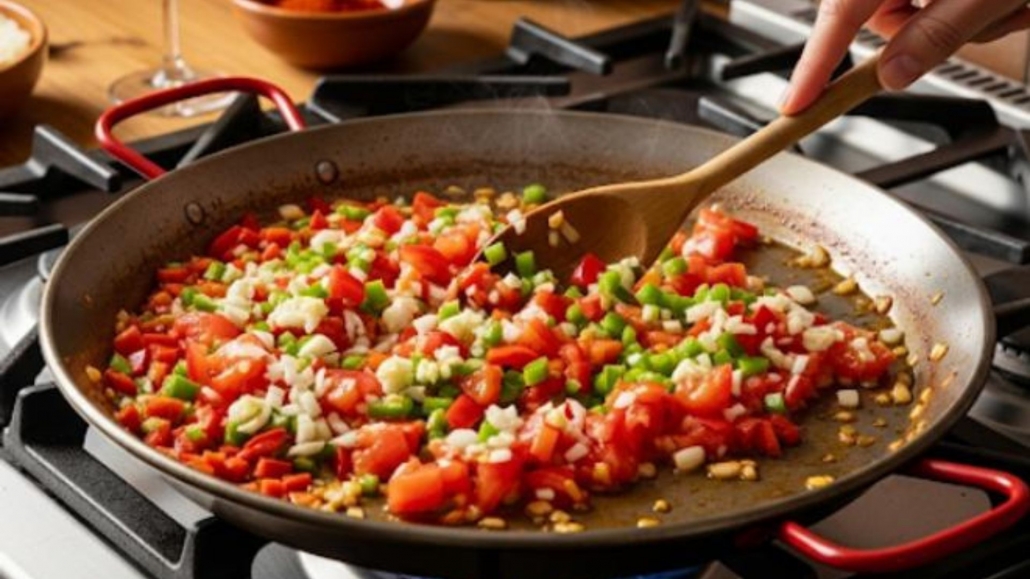
A flavourful paella begins long before the rice is added. Sofrito is one of the foundations of its distinctive character, as it concentrates the aromas and flavours of the ingredients.
In a traditional Valencian paella, the process begins by browning the chicken and rabbit in olive oil. The appropriate vegetables and tomato are then added, following the order specified in the recipe. Paprika is added carefully to prevent it from burning and developing a bitter taste.
The key is to cook each ingredient for the right amount of time so that it browns and develops its flavour. Rushing the process can cause the paella to lose some of its depth.
The tip: don’t rush the sofrito. A few extra minutes, while keeping the heat under control, can make a big difference to the final flavour.
3. Use a flavourful stock and measure the quantities carefully
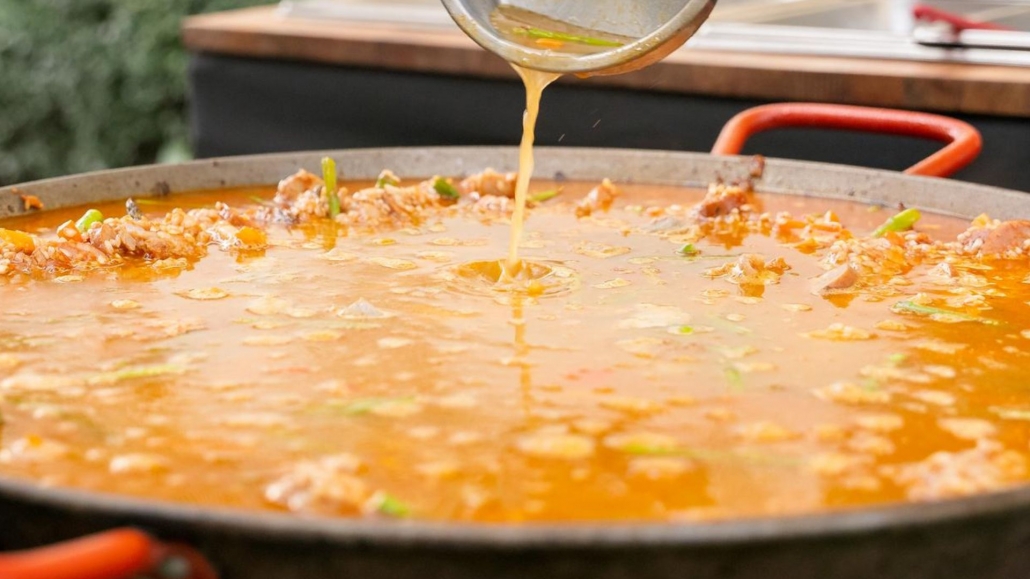
Stock is essential for creating flavourful rice. As it cooks, the rice absorbs the liquid and concentrates its aromas, so using the right stock can transform the final result.
For a meat paella, you can use a well-prepared chicken stock. For a fish or seafood paella, a fish stock is the best choice, as it complements and enhances the flavour of the ingredients.
You should also pay attention to the amount of liquid. Adding too much can leave the rice overcooked, while using too little can cause the grains to remain hard before the cooking process is complete.
There is no universal ratio that works for every paella: the type of rice, the diameter of the pan, the heat and evaporation all play a role.
The tip: make sure the stock is hot when you add it, and follow a recipe adapted to the variety of rice and the type of paella you’re preparing.
4. Control the heat and don’t stir the rice
One of the most common mistakes when cooking paella is failing to control the heat intensity. The rice needs to cook evenly so that it absorbs the stock properly and reaches the right consistency without burning too soon.
Generally, you start with enough heat to bring the stock to a boil and then adjust the temperature as the cooking progresses. The heat level should be adapted to the pan and the heat source, whether you’re using gas, wood or another method.
Once the rice has been spread evenly and the stock added, avoid stirring it constantly. Unlike other rice dishes, traditional paella is cooked without continuous stirring, helping preserve the characteristic texture of the grains.
The exact cooking time will depend on the variety used and the cooking conditions, so it’s best to follow the recipe instructions and observe how the rice develops.
The tip: keep an eye on the simmer and distribute the heat evenly across the base of the paella pan. If you’re cooking over a wood fire, pay particular attention to the areas receiving the most heat.
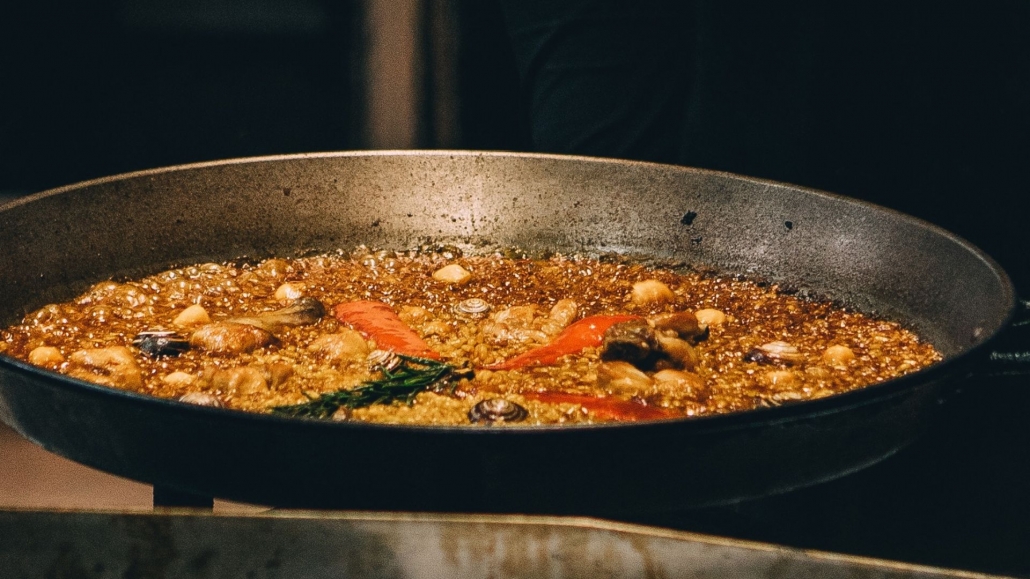
5. Get the rice just right and let the paella rest
The final step is also important. Once the rice has absorbed the stock and reached the right consistency, it’s best to let the paella rest for a few minutes before serving.
This short resting period allows the dish to settle and the moisture to distribute more evenly throughout the grains. You can cover it loosely with a clean cloth, but avoid leaving it covered for too long.
Another much-loved detail is the socarrat: the thin layer of toasted rice that forms on the bottom of the paella pan, adding a crunchy texture and an intense flavour. Achieving it requires careful control of the heat towards the end of cooking, while making sure the rice doesn’t burn.
The tip: let the paella rest for a few minutes and don’t force the socarrat if the rice still needs liquid or more time to finish cooking.
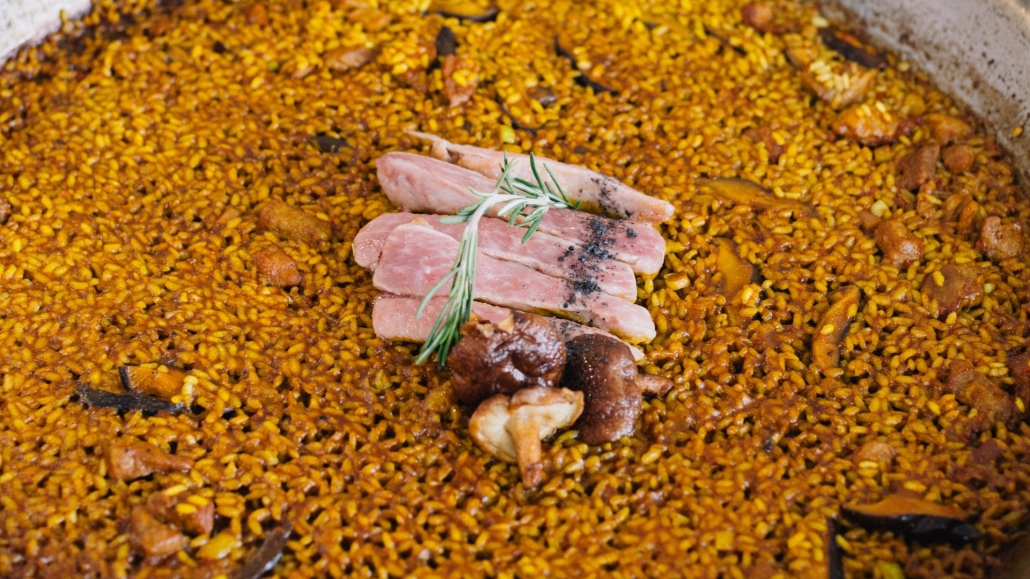
The secret to a great paella lies in the little details
Preparing a memorable paella doesn’t depend on a single ingredient or a miracle trick. High-quality rice, a good sofrito, flavourful stock and careful control of the heat are the elements that make all the difference.
Practice matters too: every paella pan and every heat source behave differently. With patience, good ingredients and attention to cooking times, you can improve your technique and enjoy an increasingly flavourful paella.
And remember, paella tastes even better when shared. At Font del Llop Terraza, the experience goes beyond the food: it’s an opportunity to share special moments, enjoy the surroundings and savour every gathering. If you’re looking for a place to enjoy great food in a special setting, Font del Llop Terraza invites you to turn any meal into a moment to remember.
“`
