
Christmas is a time when gastronomy takes centre stage, and nothing evokes the festive spirit quite like the traditional desserts that each country prepares to celebrate this season. In every corner of the globe, there are sweets that convey tradition, history and culture, made with local ingredients and recipes that have been passed down from generation to generation. In this tour, we will travel to different countries to discover the world’s most iconic Christmas desserts, their origins and why they are so special during this season. Here are the top 10 Christmas desserts from around the world.
1. VÁNOČKA (CZECH REPUBLIC)
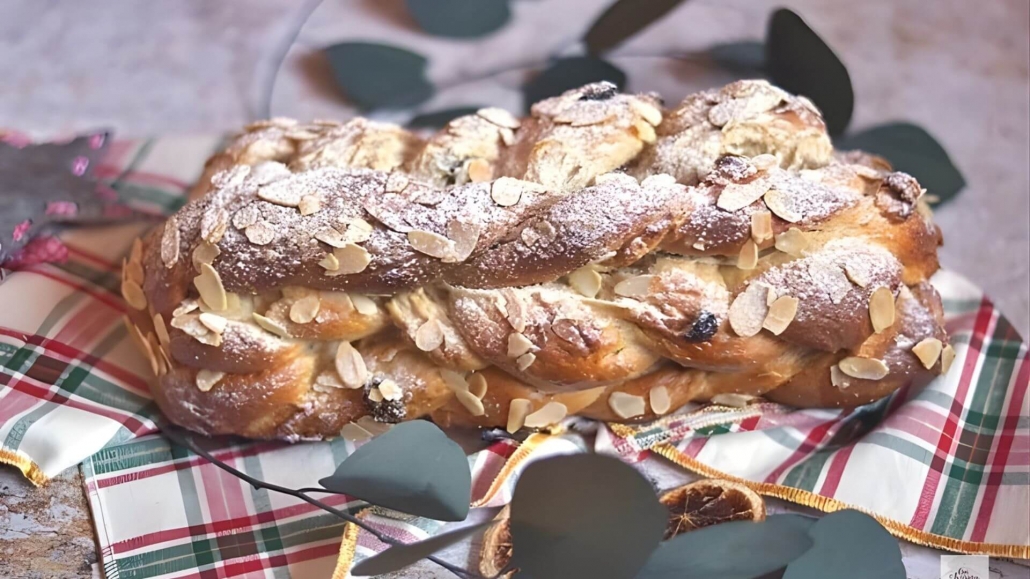
Vánočka is a traditional Czech sweet bread enjoyed at Christmas, famous for its braided shape symbolising unity and family. It is made with flour, butter, eggs, almonds and raisins, creating a warm aroma perfect for winter. The recipe has been baked since the 15th century and was once believed to bring good luck for the coming year. It is usually served with butter, jam or simply sprinkled with icing sugar. It is a staple of Christmas tables in the Czech Republic and a much-loved symbol of tradition.
2. PANETTONE (ITALY)
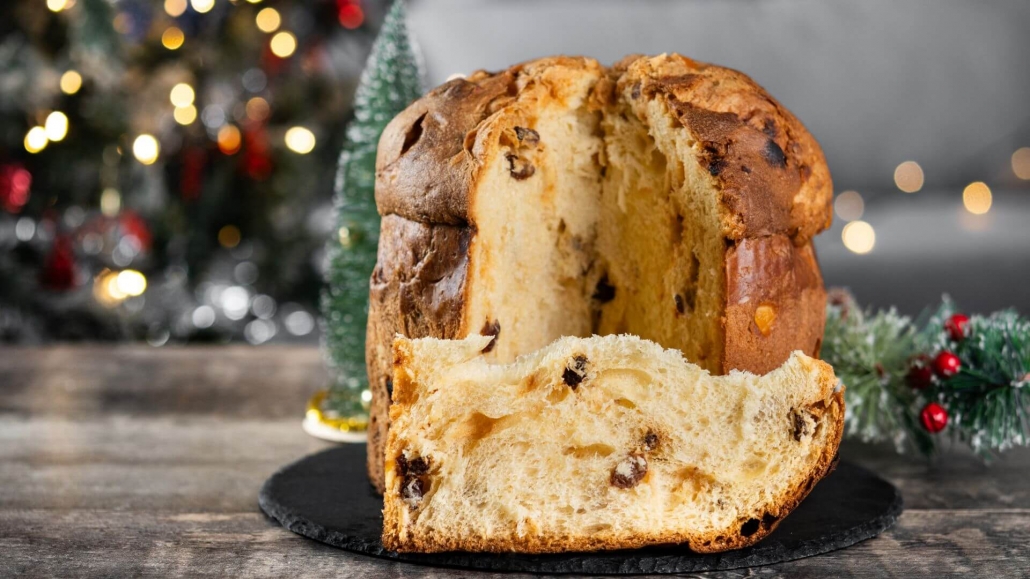
Panettone is one of Italy’s Christmas symbols, characterised by its spongy, airy dough filled with candied fruit and raisins. Its origins date back to Milan, where it was baked as a symbol of prosperity and abundance for the new year. Today, it is an internationally renowned dessert enjoyed for breakfast and afternoon tea, accompanied by coffee or sweet wine. Preparing it requires patience and slow fermentation, which gives it its soft texture and irresistible aroma. It is a tradition that fills Italian tables with flavour and warmth.
3. TURRÓN (SPAIN)
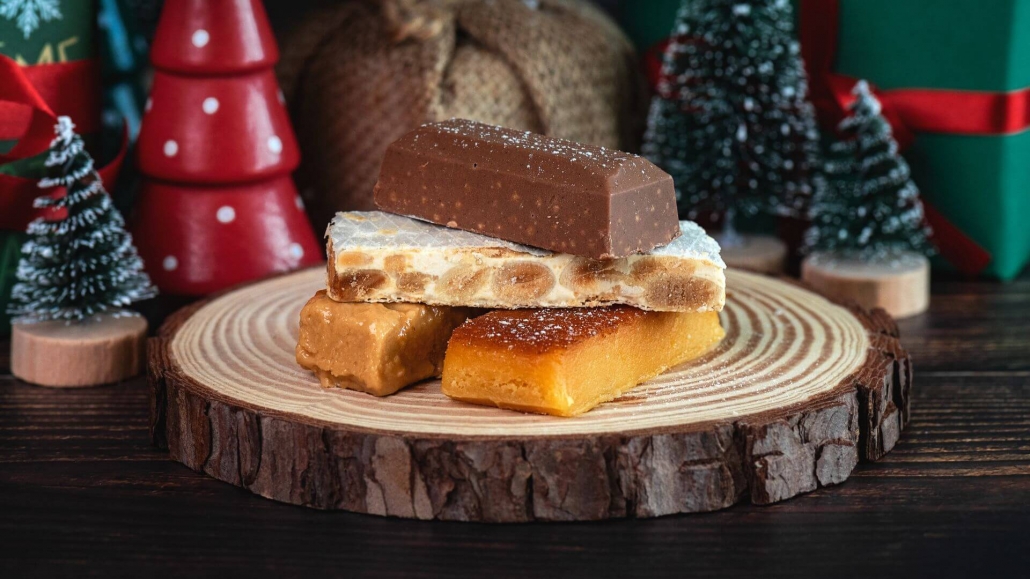
Turrón is the undisputed king of Christmas in Spain, made mainly from almonds, honey and egg whites. There are hard varieties, such as turrón from Alicante, and soft varieties such as Jijona, or the famous chocolate turrón with corn or puffed rice, each with centuries of Mediterranean history. Its presence on Spanish tables symbolises celebration and family unity. It is customary to accompany it with cava or coffee after dinner, making it an essential part of the after-dinner conversation. The quality of the almonds and the artisanal production make this sweet unique and highly valued.
4. PAVLOVA (NEW ZEALAND / AUSTRALIA)
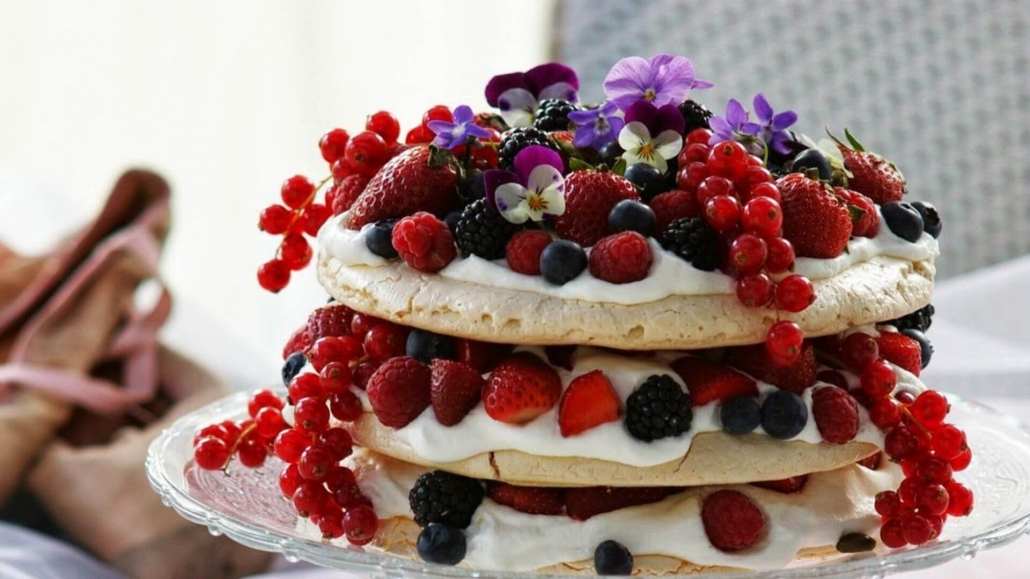
Pavlova is a light and elegant dessert created in honour of Russian ballerina Anna Pavlova. It consists of a crispy meringue base on the outside and fluffy on the inside, topped with whipped cream and fresh fruits such as kiwi, strawberry or passion fruit. It is a common Christmas dessert in countries in the southern hemisphere, where the warm climate calls for refreshing desserts. Its blend of sweetness and tartness creates a perfect balance that appeals to young and old alike. It is an example of how cooking can also be an art form.
5. BUCHE DE NOËL (FRANCE)
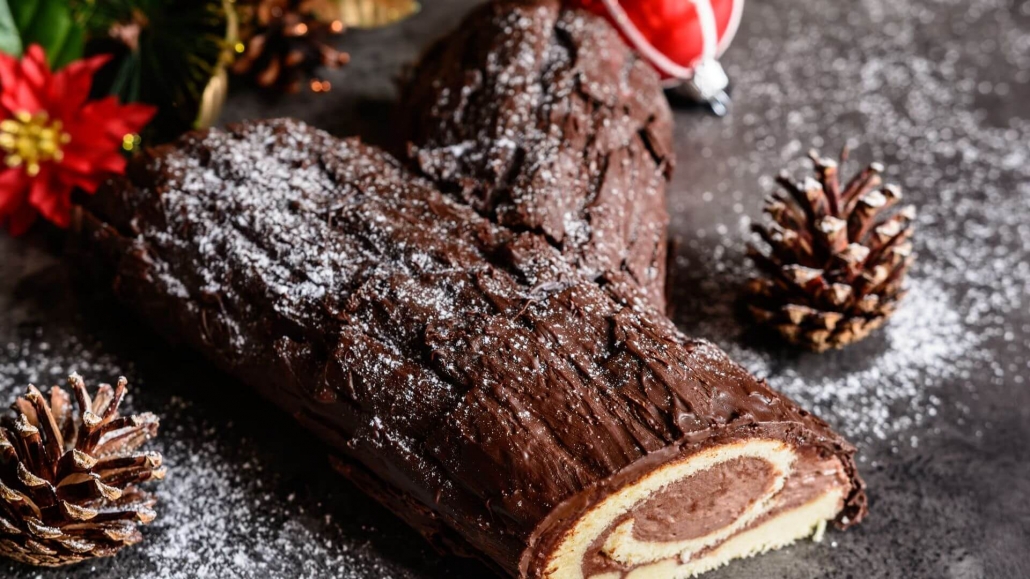
The Bûche de Noël, or Yule log, is a French classic made with rolled sponge cake filled with cream and covered in chocolate to resemble a log. Its origin is linked to the ancient tradition of burning a real log to bring good luck in winter. Today, it is decorated with Christmas figures and icing sugar to simulate snow, creating a visually charming dessert. It is perfect for sharing after a family dinner, and its tender texture makes it an irresistible treat. A sweet that combines history, aesthetics and flavour.
6. STOLLEN (GERMANY)
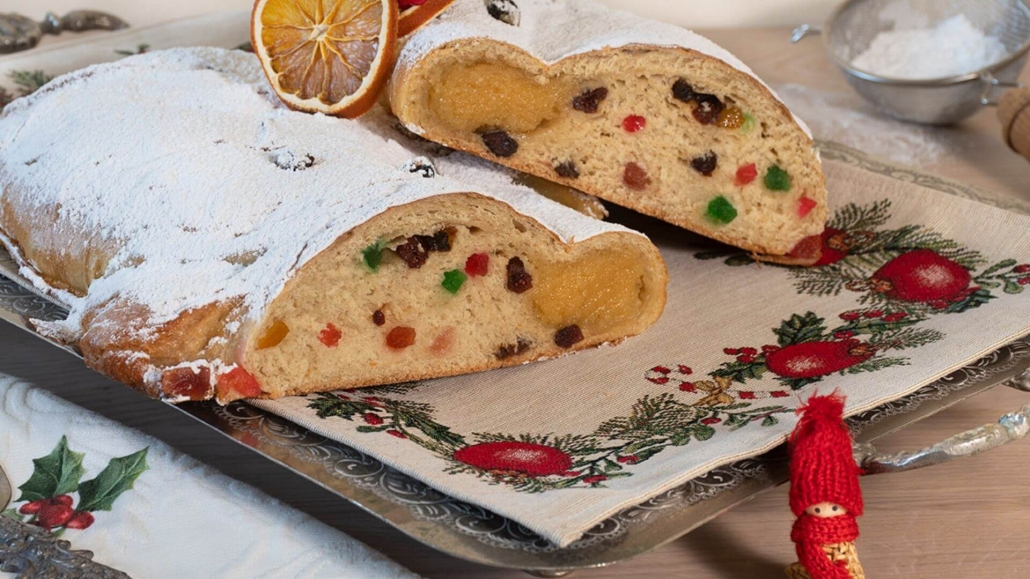
Stollen is a German sweet bread filled with candied fruit, raisins and almonds, covered with a generous layer of icing sugar. It symbolically represents the Baby Jesus wrapped in white blankets, giving it deep cultural significance. Its preparation begins weeks before Christmas so that the flavours can mature and blend together. Each bite has a spicy aroma reminiscent of winter and home. It is traditional to give it to family and friends as a gesture of good wishes.
7. CHRISTMAS PUDDING (UNITED KINGDOM)
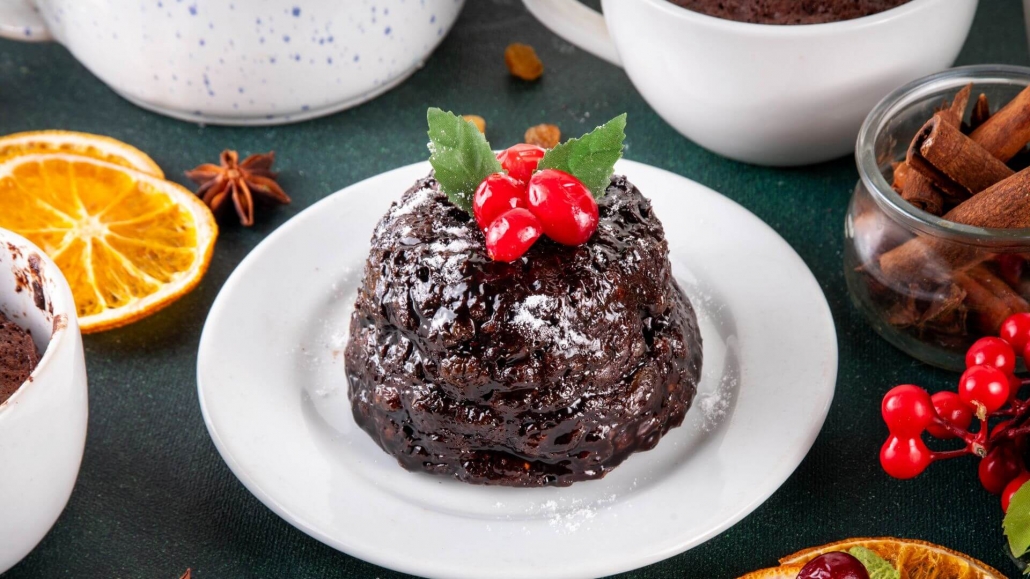
Christmas pudding is one of the most traditional British desserts, made with dried fruit, brandy and spices such as cinnamon and nutmeg. Its preparation can begin months in advance and it is traditionally flambéed with liqueur before serving. It is said that the whole family should mix it together while making a wish, making it a very special ritual. Its dense texture and deep flavour make it a dessert that is a must on every English table at this time of year. A sweet treat that tastes of history and tradition.
8. KUTIA (UKRAINE)
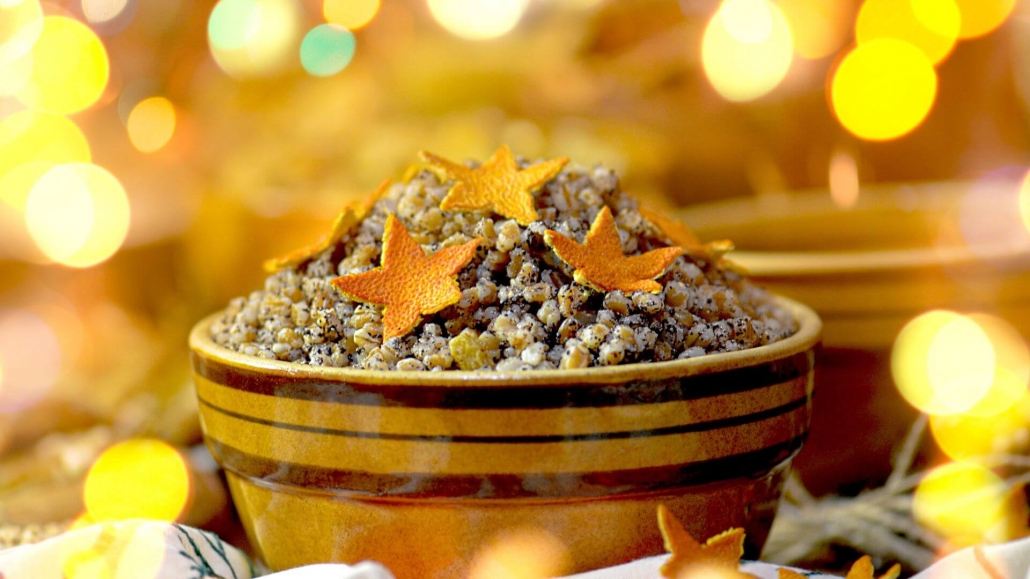
Kutia is a Ukrainian Christmas dessert made with cooked wheat, honey, poppy seeds and walnuts. It is served as the first course during Orthodox Christmas dinner and symbolises prosperity. It is an ancient recipe that connects the country’s cuisine with its spiritual rituals. Its sweetness comes naturally from the honey, creating a smooth and nutritious combination. Eating it as a family represents unity and gratitude.
9. RISALAMANDE (DENMARK)
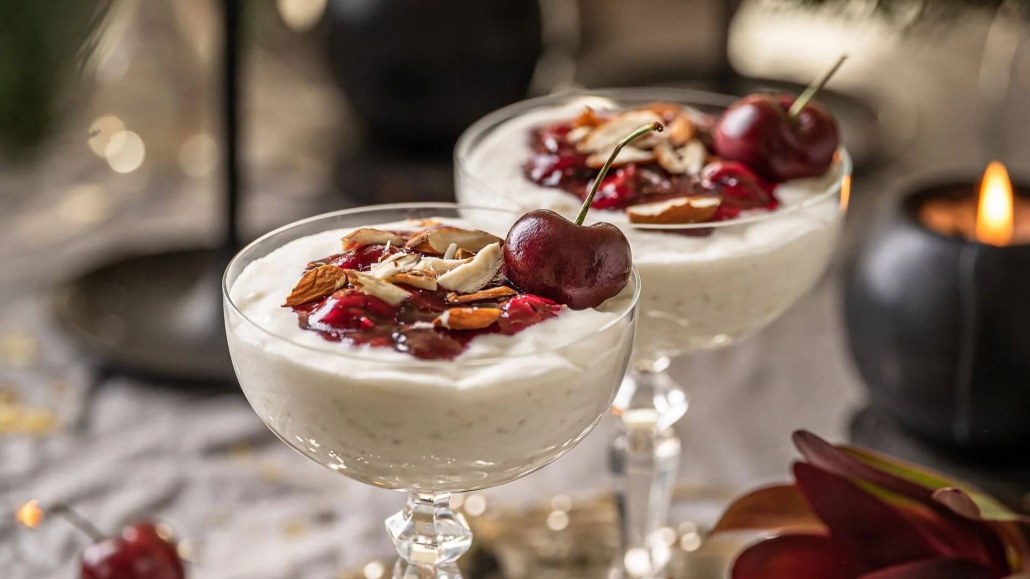
Risalamande is a Danish dessert made from rice pudding, whipped cream and ground almonds, served with a warm cherry sauce. One of its charms is the traditional game: a whole almond is hidden in the pudding and whoever finds it receives a gift. It is a classic on Christmas Eve dinner, where anticipation and enjoyment go hand in hand. Its creamy texture and balanced sweetness make it a winter treat. A simple but unforgettable combination.
10. RABANADAS (PORTUGAL)
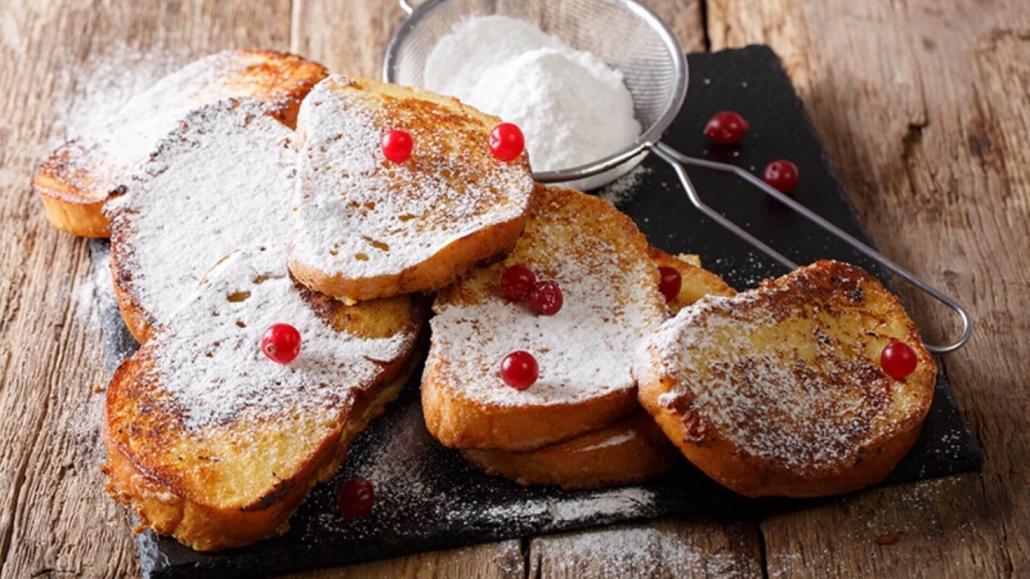
Rabanadas are the Portuguese equivalent of Spanish torrijas, made with bread soaked in milk, egg and sugar, then fried and flavoured with cinnamon. They are a must at Christmas and take centre stage on the festive table. Their humble origins make them a traditional home-made dessert, conveying warmth with every bite. They are usually served with honey or sweet wine poured over them to enhance their flavour. A comforting sweet treat that tastes of family and celebration.
Christmas desserts are much more than just recipes: they represent history, identity and affection in the form of a sweet treat. Each country celebrates Christmas with its own flavours that speak of its culture and tradition, creating a delicious diversity around the world. And if after this gastronomic journey you feel like trying Spanish desserts made with local products, at Font Del Llop Terraza we await you with delicious seasonal offerings to sweeten your visit. Come and enjoy Christmas with us!